Explore the Majestic Hunza Valley in Northern Pakistan
Top Questions
Table of Contents
- Introduction
- Geography and Location of Hunza Valley
- History and Culture of Hunza Valley
- People of Hunza
- Must-Visit Attractions in Hunza Valley
- Outdoor Adventures and Activities in Hunza Valley
- Travel Tips for Visitors to Hunza Valley
- Fun Facts and Figures about Hunza Valley
- Why Hunza Valley is a Must-Visit
- Conclusion
Introduction
Overview of Hunza Valley
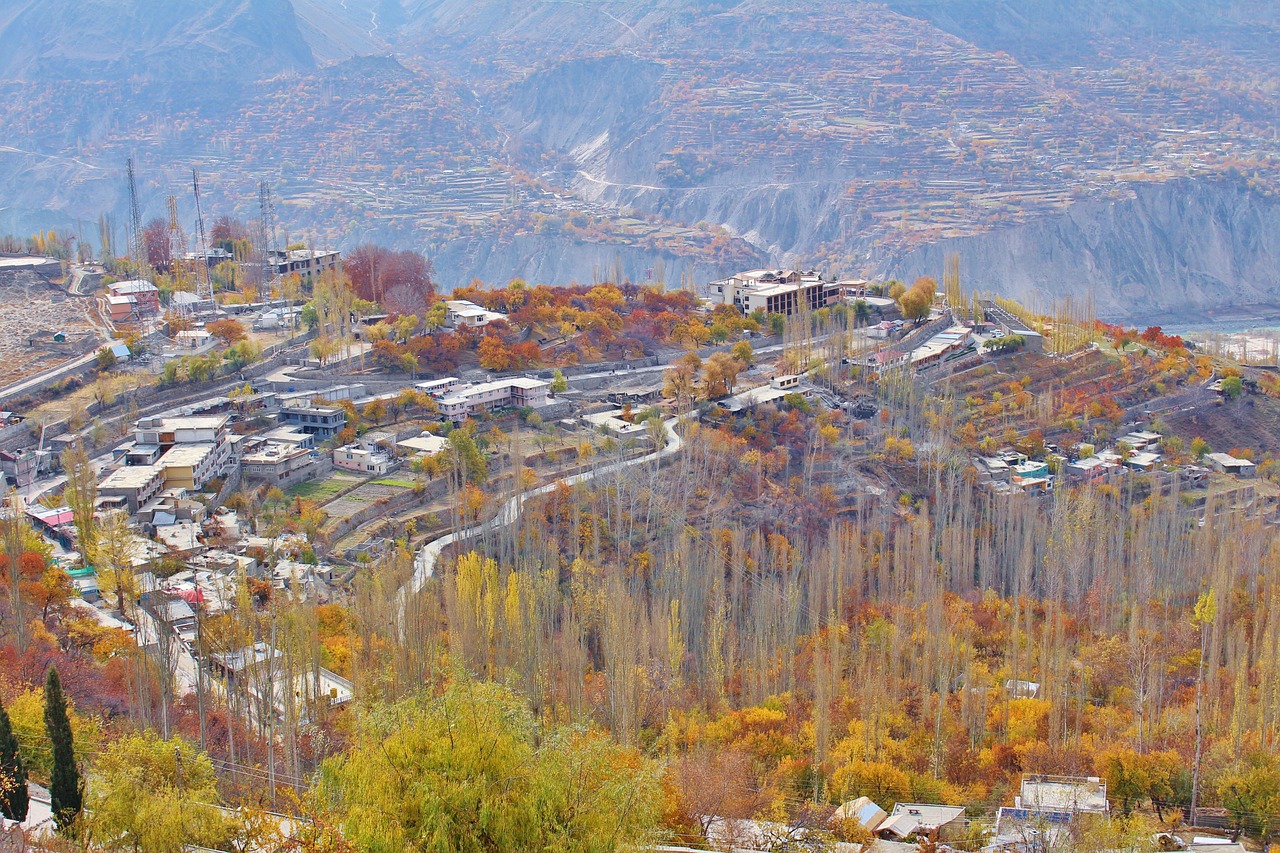
Hunza Valley, located in the heart of Gilgit-Baltistan, is one of the most breathtaking places in northern Pakistan and a must-visit destination in Asia. This stunning mountain valley is celebrated for its pristine landscapes, snow-capped peaks, lush green meadows, and serene rivers. Known as a paradise for nature lovers and adventure seekers, Hunza Valley offers a harmonious blend of natural beauty and rich cultural heritage. From tranquil lakes to towering peaks, every corner of this valley is a photographer’s dream and a haven for travelers seeking both relaxation and adventure.
Location in Northern Pakistan
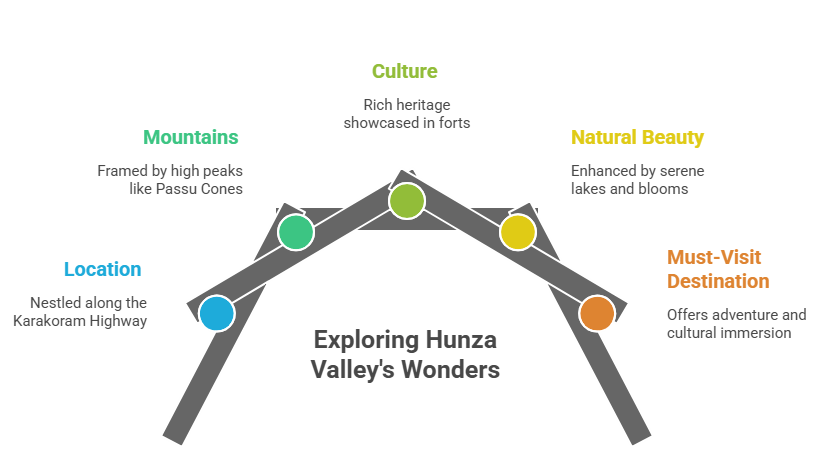
Nestled along the Karakoram Highway, Hunza Valley is easily accessible yet retains its untouched charm. This scenic route, often considered one of the highest paved roads in the world, provides travelers with breathtaking views of jagged mountains, verdant valleys, and traditional settlements. Hunza’s strategic location along ancient trade routes has also made it historically significant, linking Pakistan to neighboring regions while fostering a vibrant local culture.
Mountains, Culture, and Natural Beauty
The valley is framed by some of the highest peaks in the world, including the famous Passu Cones and the surrounding Karakoram range. Iconic viewpoints like Eagle’s Nest provide panoramic vistas of snow-covered mountains, making Hunza a top destination for trekking, adventure travel, and sightseeing. The area is dotted with historical landmarks, including Baltit Fort and Altit Fort, which showcase the architectural brilliance and rich cultural heritage of the Hunza people.
Hunza’s natural beauty is further enhanced by serene waters such as Attabad Lake, a turquoise gem formed after the 2010 landslide, and the crystal-clear streams flowing through the valley. Seasonal blooms, including apricot and cherry blossoms, add vibrant color, making Hunza Valley a picturesque destination all year round.
Why Hunza is a Must-Visit
Hunza Valley is not just a feast for the eyes—it’s an experience for the soul. The combination of majestic mountains, rich cultural traditions, historic forts, and tranquil lakes makes it a must-visit destination in South Asia. Whether you are exploring high-altitude trails, capturing panoramic views from a viewpoint, or immersing yourself in the warm hospitality of the Hunza people, this valley offers unforgettable memories. Its mix of adventure, history, and natural splendor ensures that every traveler leaves with a deeper appreciation of northern Pakistan’s beauty and heritage.
Geography and Location of Hunza Valley
Gilgit-Baltistan Region
Hunza Valley is located in the Gilgit-Baltistan region of northern Pakistan, a land renowned for its towering mountains, rugged terrain, and pristine natural beauty. This region forms a strategic corridor between Central and South Asia and is home to some of the highest peaks on Earth. Hunza is one of the most famous valleys within Gilgit-Baltistan, celebrated for its scenic beauty, peaceful environment, and rich cultural heritage.
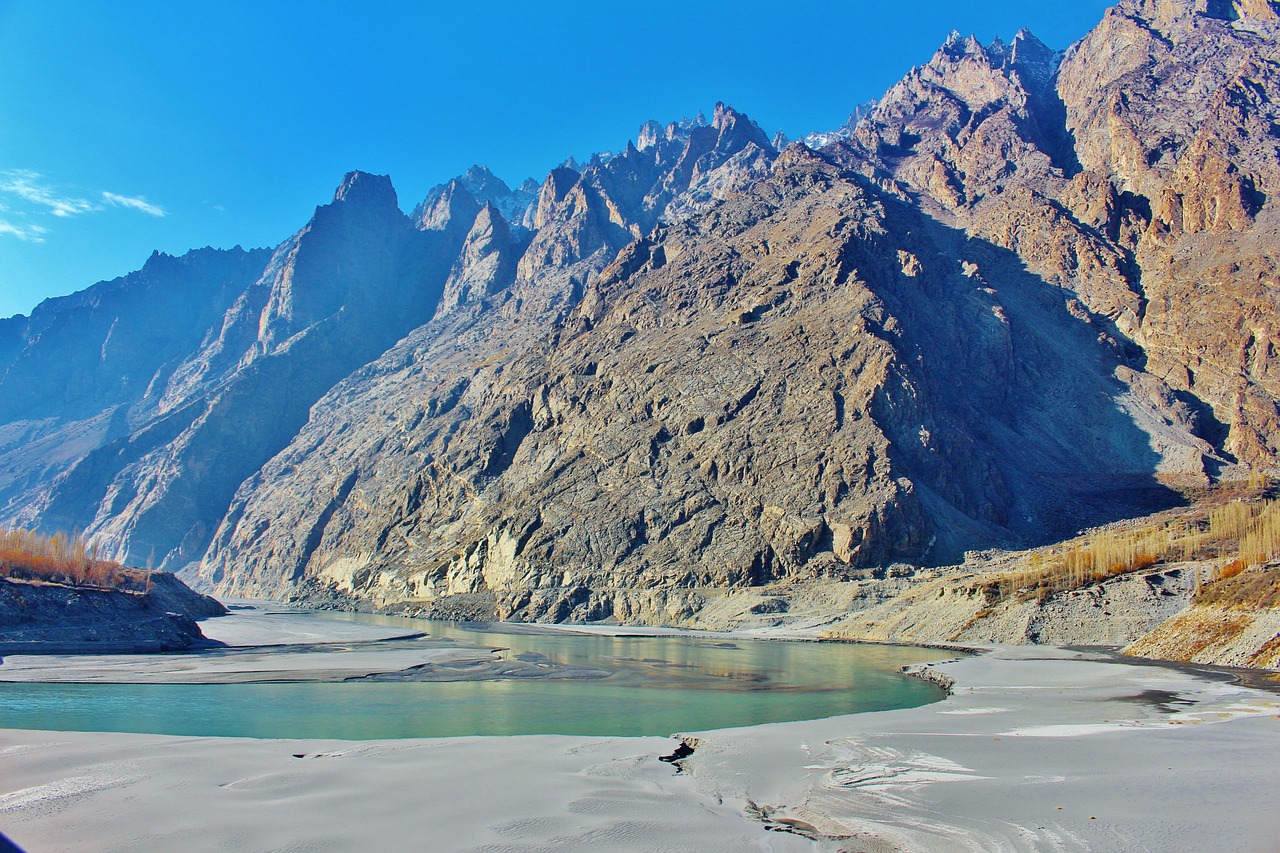
The valley itself is carved by the Hunza River, which flows from the high-altitude glaciers of the Karakoram Mountains. Its location along the Karakoram Highway—one of the world’s highest paved roads—makes it accessible for travelers while offering a journey through breathtaking landscapes. The highway is not just a road; it’s a lifeline connecting Hunza to other parts of Pakistan and neighboring regions, allowing visitors to witness the lush valleys, traditional settlements, and turquoise lakes such as Attabad Lake along the way.
Nearby Mountain Ranges: Karakoram, Rakaposhi, Ultar Sar
Hunza Valley is surrounded by majestic mountains, making it a paradise for mountaineers, trekkers, and photographers. Some of the most iconic peaks include:
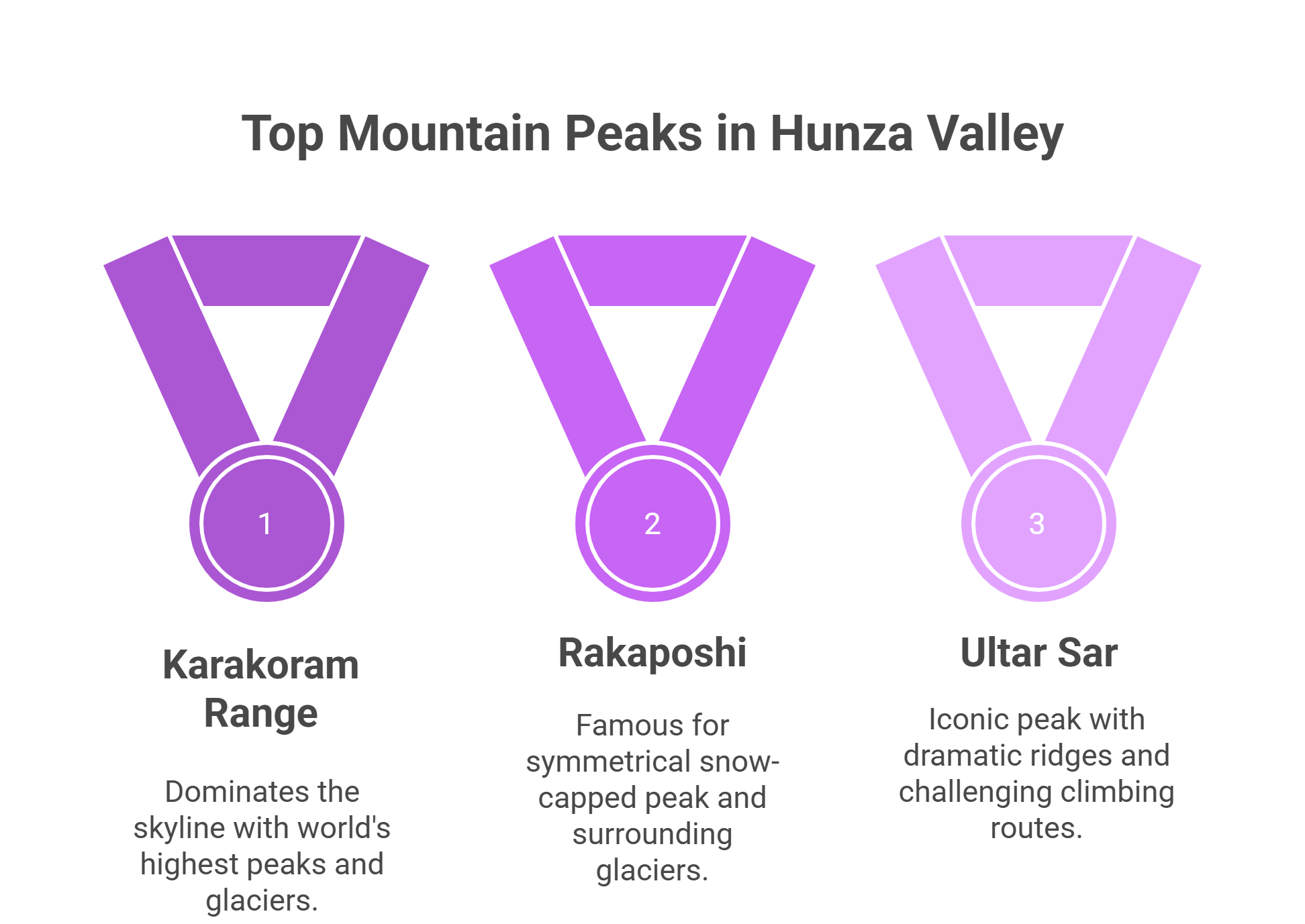
Karakoram Range: This mighty range dominates the skyline of Hunza, featuring some of the world’s highest peaks. It forms the backbone of the region’s rugged terrain and is home to glaciers, high-altitude passes, and awe-inspiring vistas.
Rakaposhi: Standing at 7,788 meters, Rakaposhi is one of Hunza’s most famous mountains. Its symmetrical snow-capped peak and surrounding glaciers create a breathtaking scene visible from several viewpoints in the valley. The Rakaposhi Base Camp trek is a must-do for adventure enthusiasts.
Ultar Sar: Known for its dramatic ridges and challenging climbing routes, Ultar Sar is another iconic peak offering panoramic views of the surrounding Hunza landscapes. Its presence enhances the valley’s reputation as a top mountain travel destination.
Other notable natural formations include the Passu Cones, whose sharp, pointed peaks are among the most photographed in the region, and the numerous glaciers and rivers that feed the valley’s lush valleys. Eagle’s Nest viewpoint, located near Duikar in Upper Hunza, provides travelers with a stunning perspective of these mountains, making it one of the most popular tourist spots.
Climate and Best Time to Visit Hunza Valley
Hunza Valley experiences a high-altitude climate, characterized by long winters, mild summers, and short but vibrant spring and autumn seasons.
Spring (April – May): One of the best times to visit, the valley is adorned with apricot and cherry blossoms, creating a colorful natural spectacle. Temperatures are mild, making it ideal for sightseeing and trekking.
Summer (June – August): Summer brings pleasant weather, perfect for adventure travel, trekking, and exploring high-altitude trails. Snow-capped peaks remain visible, and lakes like Attabad Lake glisten under clear skies.
Autumn (September – October): The valley transforms into a canvas of golden and red foliage. This is an excellent time for photography, mountain hiking, and cultural exploration.
Winter (November – March): Winter is harsh with snow, but it offers a serene and quiet landscape for travelers seeking solitude and the beauty of snow-covered Baltit Fort, Altit Fort, and other historic landmarks.
History and Culture of Hunza Valley
Hunza Kingdom and Historical Background
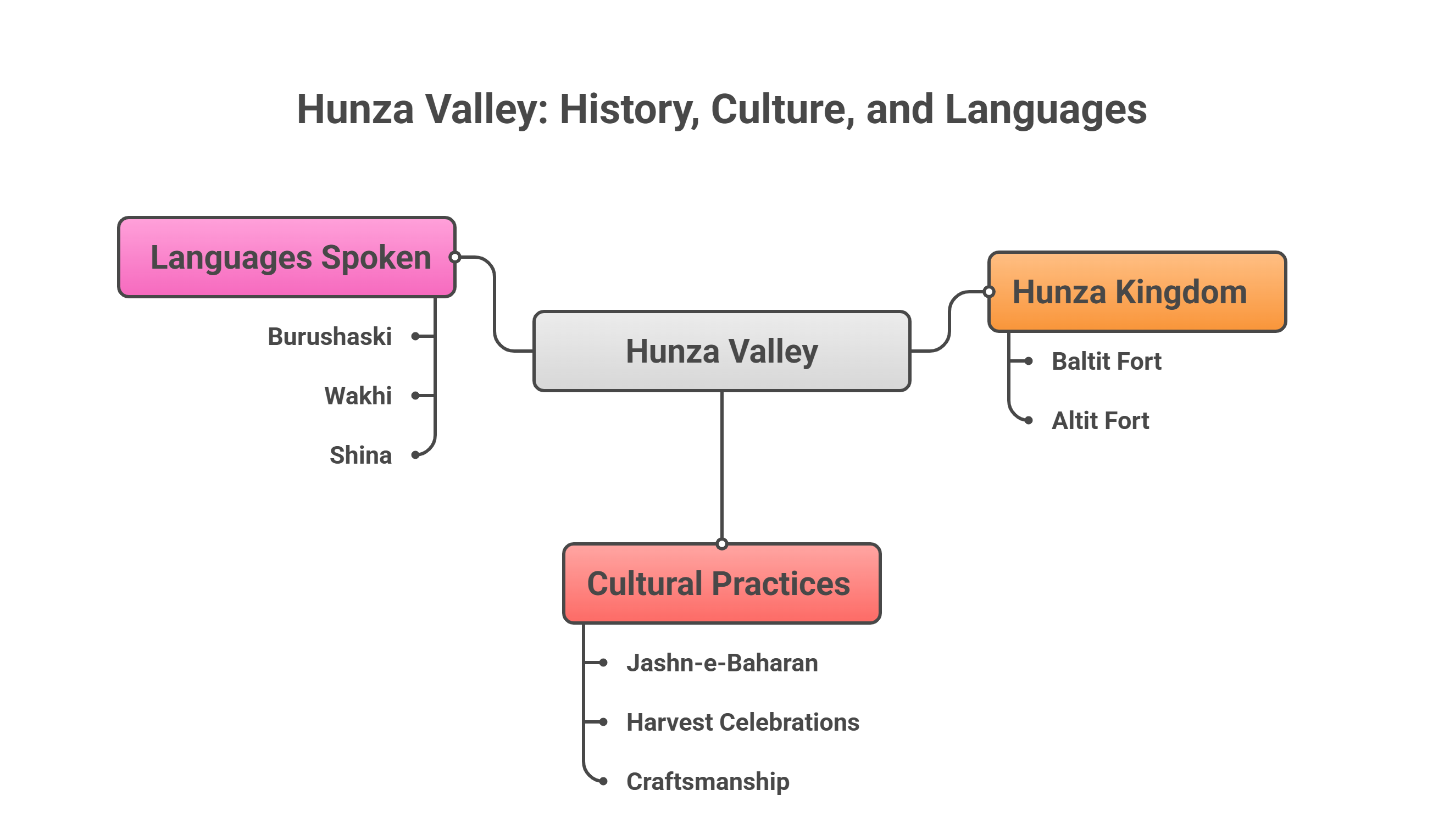
Hunza Valley, situated in Gilgit-Baltistan, has a history steeped in centuries of strategic significance and cultural richness. The valley was once part of the Hunza Kingdom, a small but influential principality that controlled vital trade routes along the ancient Silk Road. The rulers, known as Mirs, skillfully maintained autonomy while fostering trade and diplomacy with neighboring regions, including China, Central Asia, and the Indian subcontinent.
The valley’s historical legacy is best reflected in its iconic forts. Baltit Fort, perched on a hilltop in Karimabad, showcases centuries-old Tibetan-inspired architecture and served as the residence of Hunza’s rulers. The fort is not only a heritage site but also a symbol of the valley’s strategic and cultural importance. Visitors can explore its intricately designed rooms, traditional woodwork, and terraces offering breathtaking views of the Hunza River and surrounding mountains.
Nearby, Altit Fort, older than Baltit, stands as one of the oldest structures in Hunza Valley. This fort reflects the architectural ingenuity of the region and provides a window into the high-altitude culture and daily life of Hunza’s past inhabitants. Together, these forts tell the story of a kingdom that thrived amidst rugged mountains and harsh climates, preserving a unique culture that continues to flourish today.
The valley’s location along the Karakoram Highway also adds to its historical significance. This modern road traces the path of ancient trade routes, allowing travelers to experience the same landscapes that traders and pilgrims once crossed centuries ago. The highway connects Hunza to other parts of Gilgit-Baltistan and northern Pakistan, making it a lifeline for tourism, trade, and cultural exchange.
Traditions, Festivals, and Cultural Practices
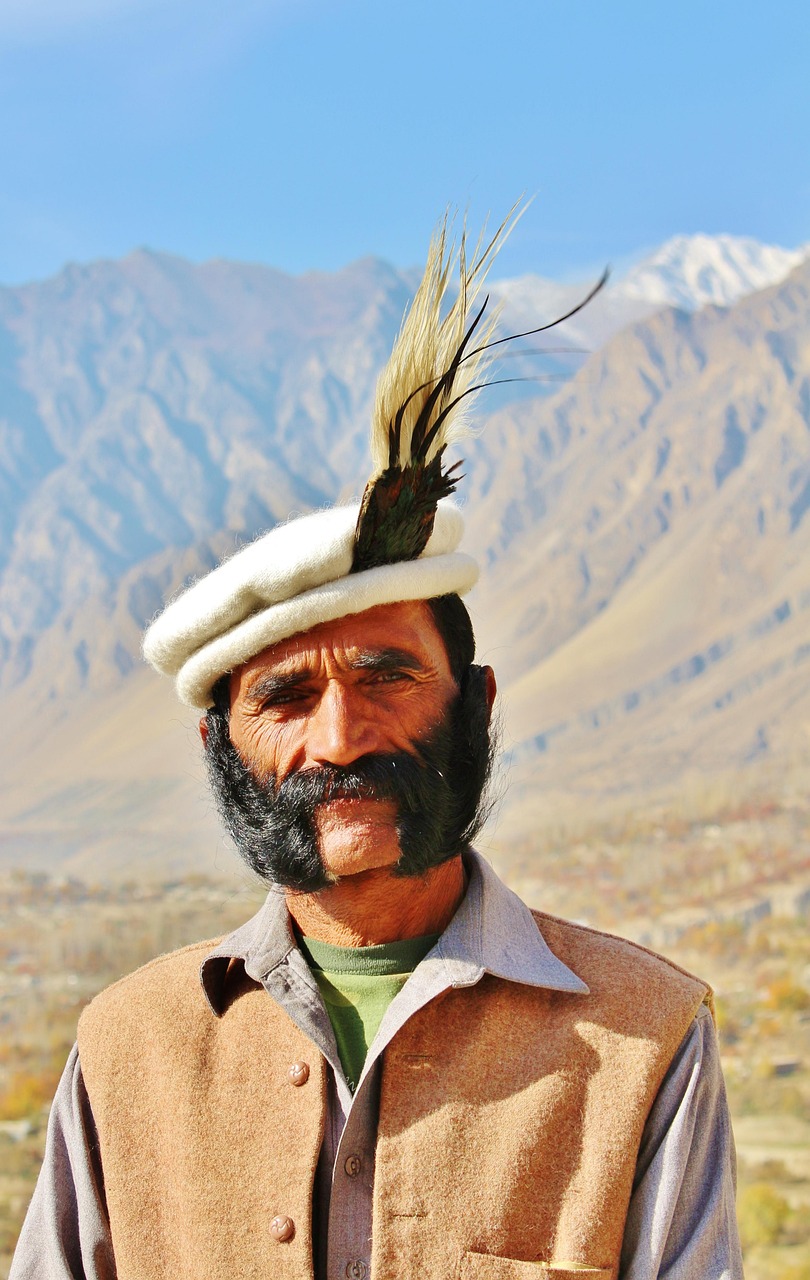
The people of Hunza are renowned for their vibrant culture, rich traditions, and warm hospitality. Their customs reflect a blend of ancient practices, high-altitude living, and religious heritage, particularly the Ismaili Muslim faith. Festivals are an integral part of Hunza’s cultural life, celebrated with traditional clothing, music, and dance, offering visitors an immersive experience.
Key cultural highlights include:
Jashn-e-Baharan (Spring Festival): Celebrated during the apricot and cherry blossom season, this festival showcases Hunza’s connection to nature. Locals perform traditional dances, wear colorful attire, and host cultural exhibitions. The festival is often celebrated near scenic viewpoints such as Eagle’s Nest, combining natural beauty with cultural vibrancy.
Harvest Celebrations: Agriculture remains central to Hunza life, and harvest festivals honor the valley’s bounty, featuring local produce, communal feasts, and folk music.
Craftsmanship and Local Art: Hunza residents maintain traditional craftsmanship, including handwoven carpets, wool garments, and wooden artifacts. Villages like Ganish and Gulmit host exhibitions where visitors can witness these artisanal skills, reflecting centuries of cultural continuity.
The traditions of Hunza emphasize sustainability and harmony with nature. Terrace farming, use of glacial streams for irrigation, and seasonal agricultural practices demonstrate the people’s high-altitude culture and adaptation to rugged mountain landscapes. Even architecture reflects this harmony, with stone houses, wooden beams, and slate roofs blending seamlessly into the valley’s terrain.
Languages Spoken: Burushaski, Wakhi, Shina
Hunza Valley is linguistically diverse, which further enriches its cultural tapestry. The main languages spoken include:
Burushaski: Predominant in Central Hunza, this unique language isolate has no known relatives and preserves a wealth of oral traditions, poetry, and folklore.
Wakhi: Spoken in Upper Hunza (Gojal Valley), Wakhi connects the region to Central Asian cultural influences and reflects Hunza’s position as a historical trade crossroads.
Shina: Present in some villages and migrant communities, Shina links Hunza to the broader Gilgit-Baltistan region.
This multilingual environment enables a rich exchange of stories, songs, and cultural practices, providing visitors with a deep insight into Hunza’s heritage. Whether in markets, festivals, or daily village life, the variety of languages reflects a community deeply rooted in history yet connected to the wider world.
People of Hunza
Lifestyle and Occupations
The people of Hunza, nestled in the majestic Gilgit-Baltistan region, are renowned for their resilience, simplicity, and harmonious way of life. Living in a mountain valley surrounded by towering peaks like the Passu Cones and Ultar Sar, Hunza residents have adapted to high-altitude life over centuries. Their traditional villages, including Karimabad and Gulmit, feature stone houses with wooden beams and slate roofs that blend seamlessly into the surrounding landscape.
Most Hunza residents are engaged in agriculture and horticulture, growing apricots, cherries, walnuts, and other high-altitude crops using sustainable terrace farming techniques. Others work as artisans, producing handwoven carpets, wooden crafts, and traditional textiles that reflect the valley’s rich cultural heritage. Tourism has also become a significant occupation, with locals serving as guides for treks, viewpoints like Eagle’s Nest, and cultural tours of historic sites such as Baltit Fort and Altit Fort.
Diet and Longevity Facts
Hunza Valley is often associated with longevity and remarkable health. The traditional Hunza diet is largely plant-based and organic, rich in fresh fruits, nuts, whole grains, and locally grown vegetables. Apricots, both fresh and dried, are a dietary staple, while meals often include barley, wheat, and legumes. Meat is consumed sparingly, typically during festivals or special occasions.
This wholesome diet, combined with a physically active lifestyle in the high-altitude mountains, is believed to contribute to the people’s longevity and vitality. Many residents reportedly live well into their 90s or even 100s, making Hunza famous worldwide as a region of healthy, long-living communities. Researchers and travelers often cite the clean air, natural environment, and traditional lifestyle as key factors behind the remarkable health of Hunza inhabitants.
Hospitality and Community Values
One of the most defining traits of the Hunza people is their renowned hospitality. Visitors are welcomed warmly into homes, offered traditional foods, and invited to participate in cultural events. Community values emphasize mutual support, cooperation, and harmony with nature. Festivals, weddings, and local gatherings are communal affairs, reflecting a society built on strong interpersonal bonds.
Hunza’s unique culture is further influenced by its historical roots in the Hunza Kingdom and its location along the Karakoram Highway, which brought travelers, traders, and cultural exchanges from across Central Asia. This has fostered a community that is both deeply traditional and open-minded, maintaining heritage while embracing visitors from around the world.
The people’s strong connection to their land is evident in every aspect of life—from terrace farming and local craftsmanship to the preservation of historic forts like Baltit Fort and Altit Fort. Their lifestyle not only sustains them physically but also preserves the valley’s rich culture for future generations.
Must-Visit Attractions in Hunza Valley
Hunza Valley, located in Gilgit-Baltistan, is a mountain paradise filled with stunning natural landmarks, historical sites, and adventure opportunities. From historic forts to serene lakes and breathtaking viewpoints, the valley offers a variety of attractions that cater to every type of traveler. Here are some of the must-visit spots in Hunza:
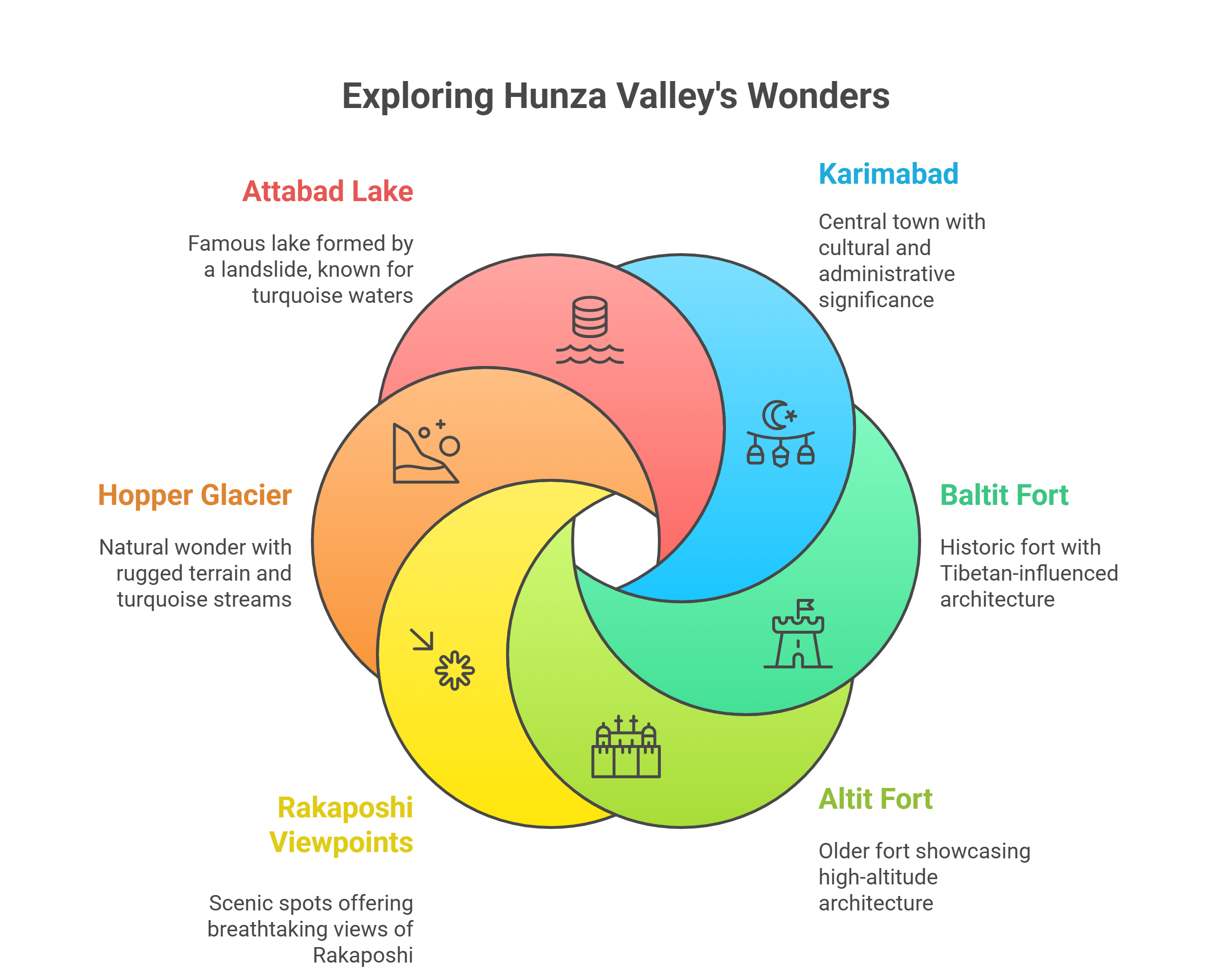
Karimabad – The Heart of Hunza
Karimabad is the central town of Hunza and acts as the cultural and administrative hub of the valley. Nestled amid the towering Karakoram peaks, Karimabad offers visitors a perfect blend of natural beauty, local markets, and historical sites. The town provides a base for exploring the Baltit Fort, Altit Fort, and nearby scenic viewpoints.
Tourists can stroll through vibrant bazaars selling local handicrafts, apricots, walnuts, and traditional Hunza souvenirs. Karimabad is also the starting point for treks to Passu Cones, Rakaposhi Base Camp, and Eagle’s Nest, making it an ideal location for adventure travel enthusiasts.
Baltit Fort and Altit Fort
Baltit Fort and Altit Fort are two iconic landmarks that symbolize Hunza’s rich history and heritage.
Baltit Fort, perched dramatically above Karimabad, was the residence of the Hunza Kingdom’s Mir. Its Tibetan-influenced architecture and strategically placed terraces offer panoramic views of the Hunza River and surrounding mountains.
Altit Fort, older than Baltit, is a magnificent example of high-altitude architecture, showcasing centuries-old stone construction and wooden carvings.
Both forts are preserved as heritage sites and provide insights into the valley’s historical and cultural importance. Guided tours often include explanations of the forts’ historical roles in trade along the Silk Road, making them essential stops for history lovers.
Rakaposhi Viewpoints
Rakaposhi, rising to 7,788 meters, is one of the tallest and most famous peaks in Hunza Valley. Several viewpoints around the valley offer breathtaking vistas of this majestic mountain.
The Rakaposhi Base Camp trek provides close-up views of the peak, glaciers, and surrounding valleys.
For photography enthusiasts, sunrise and sunset viewpoints capture the snow-capped mountains in golden light, creating some of the most iconic images of Gilgit-Baltistan.
These viewpoints are perfect for travelers seeking scenic beauty, mountain photography, and trekking adventures.
Hopper Glacier and Passes
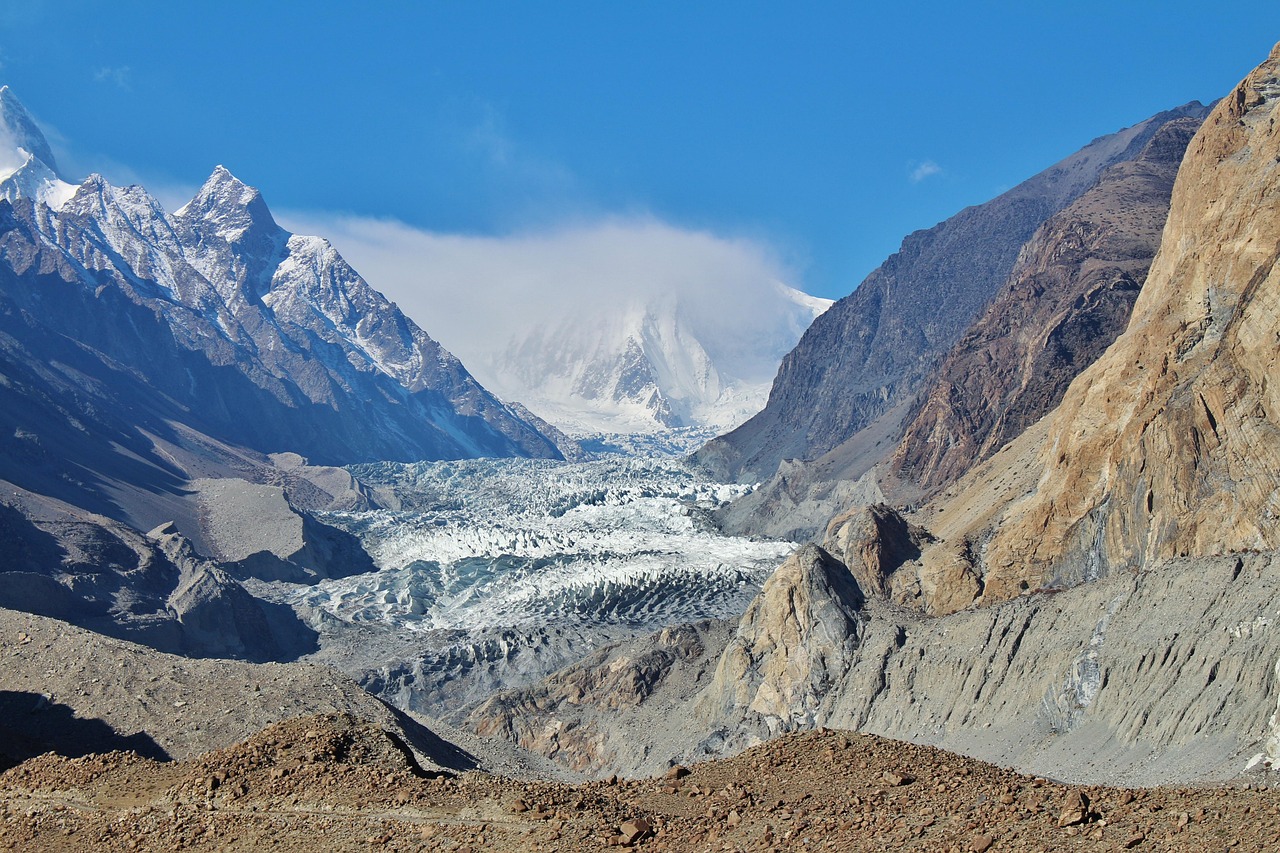
Hopper Glacier, located in the Upper Hunza region, is a natural wonder that attracts trekkers and nature lovers. The glacier’s rugged terrain, turquoise meltwater streams, and surrounding peaks make it a unique destination for high-altitude exploration.
Nearby mountain passes, including Shimshal Pass and other trekking routes, offer challenging yet rewarding journeys for adventure seekers. Visitors can experience mountain landscapes, alpine meadows, and wildlife native to the region, making Hopper Glacier a top spot for eco-tourism and adventure travel in Hunza Valley.
Attabad Lake and Surrounding Activities
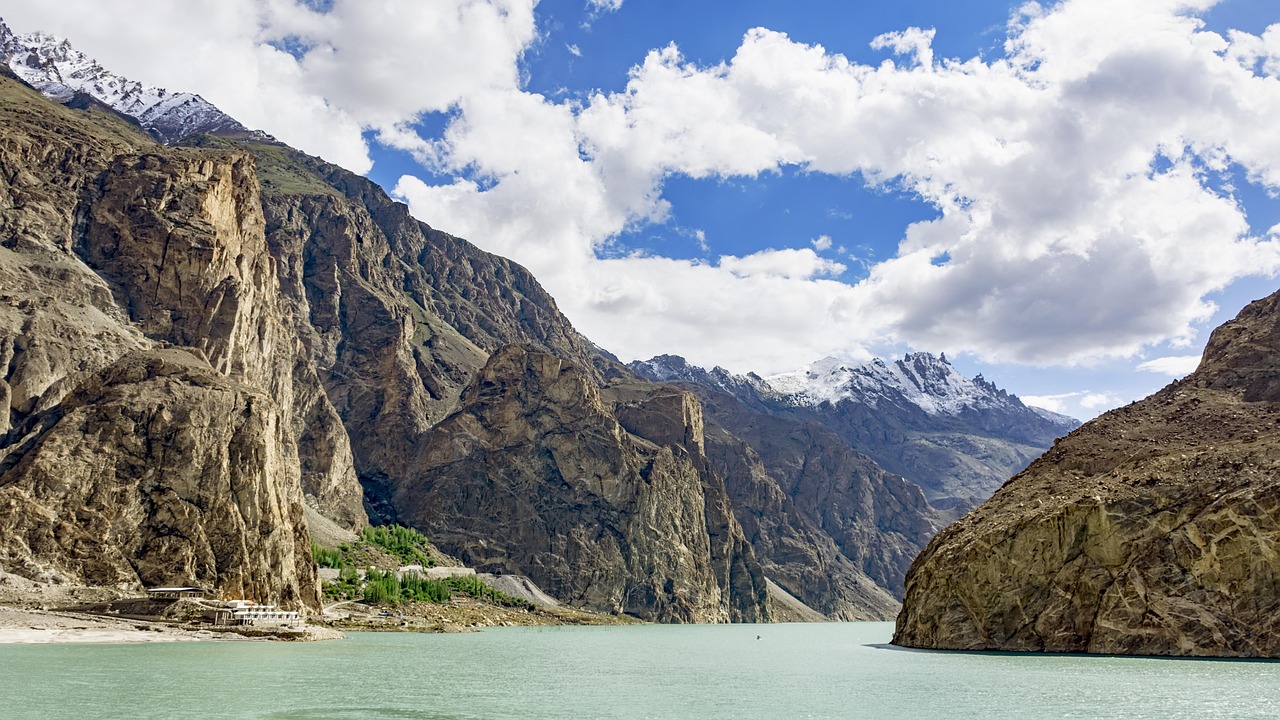
Attabad Lake is one of Hunza Valley’s most famous attractions, formed in 2010 after a landslide blocked the Hunza River. Its turquoise waters, framed by towering mountains, have become a symbol of the valley’s natural beauty.
Visitors can enjoy a variety of activities at Attabad Lake, including:
Boating and kayaking on the calm waters
Jet skiing and photography of the stunning scenery
Exploring nearby villages for local food and handicrafts
The lake is easily accessible via the Karakoram Highway, making it a convenient and must-visit destination for tourists traveling through Gilgit-Baltistan.
Outdoor Adventures and Activities in Hunza Valley
Hunza Valley, located in Gilgit-Baltistan, is not only a cultural and historical gem but also a paradise for adventure enthusiasts. Its towering peaks, glaciers, rivers, and lush valleys make it ideal for trekking, hiking, mountain climbing, camping, and photography. Whether you are a seasoned mountaineer or a casual traveler, Hunza offers a range of activities that allow you to experience its natural splendor up close.
Trekking and Hiking Trails
Hunza Valley is famous for its high-altitude trekking and hiking trails that traverse stunning landscapes, alpine meadows, and pristine mountain passes. Some of the most popular trails include:
Rakaposhi Base Camp Trek: This trail offers trekkers a close-up view of Rakaposhi, one of the tallest peaks in the region, along with glaciers, rivers, and the dramatic Passu Cones in the distance.
Eagle’s Nest Viewpoint Hike: A short but rewarding hike leads to Eagle’s Nest, a famous viewpoint offering panoramic vistas of the Hunza Valley, Baltit Fort, and the surrounding mountains.
Shimshal and Hopper Valley Treks: For more adventurous travelers, trekking routes in Upper Hunza provide challenging trails through rugged terrains, glaciers, and remote villages, offering a true taste of high-altitude adventure tourism.
These trails not only reward hikers with breathtaking scenery but also provide insight into Hunza’s natural beauty and local culture, as many paths pass through traditional villages and ancient settlements.
Mountain Climbing and Camping
Hunza Valley is surrounded by some of the most challenging and majestic peaks in the world, including Rakaposhi, Ultar Sar, and Ladyfinger Peak. Mountain climbing in this region is popular among professional climbers and adventure seekers seeking a high-altitude challenge.
For those looking for a less technical adventure, camping in the valley offers a magical experience under starry skies, with the Karakoram peaks as a backdrop. Popular camping sites include areas near Attabad Lake, Hopper Glacier, and valleys surrounding Passu Cones. Many travelers combine camping with trekking or photography excursions to fully immerse themselves in Hunza’s breathtaking landscapes.
Photography and Nature Walks
Hunza Valley is a photographer’s paradise, offering landscapes that range from snow-capped peaks to turquoise lakes and vibrant spring blossoms. Nature walks along the Hunza River, terrace fields, and alpine meadows allow travelers to capture the valley’s scenic beauty, wildlife, and local life.
Key spots for photography and nature walks include:
Attabad Lake: The turquoise waters, framed by towering mountains, provide perfect reflections for photography.
Baltit Fort and Altit Fort: Historical architecture against the backdrop of snow-capped peaks creates iconic shots.
Passu Cones and Eagle’s Nest: Panoramic views ideal for sunrise and sunset photography.
Photography in Hunza is not limited to landscapes—visitors can capture the local culture, traditional clothing, and festivals, offering a holistic view of the valley’s beauty and heritage.
Local Cuisine and Dining Experience in Hunza Valley
Hunza Valley, nestled in Gilgit-Baltistan, is not only famed for its breathtaking mountains and historical landmarks but also for its unique culinary heritage. The valley’s cuisine reflects its high-altitude environment, agricultural richness, and centuries-old traditions of the Hunza Kingdom. Visitors can enjoy a mix of traditional dishes, fresh fruits, and locally sourced ingredients, often prepared using methods passed down through generations.
Traditional Hunza Foods
Some signature dishes of Hunza include:
Chapshuro: Often called the Hunza pizza, Chapshuro is a stuffed flatbread filled with minced meat, onions, and local spices, baked on a griddle. It is a hearty dish perfect for trekkers and outdoor enthusiasts.
Apricot-Based Dishes: Apricots are a staple of the Hunza diet, both fresh and dried. Apricot soup, jam, and walnut-apricot cakes are widely served in homes and cafes, offering a taste of the valley’s agricultural bounty.
Walnut Cake and Traditional Pastries: Known for their rich flavor, these desserts are often accompanied by local green tea, providing a traditional Hunza dining experience.
Barley and Wheat-Based Meals: Barley bread, porridge, and soups are common staples, reflecting the valley’s reliance on high-altitude crops.
The valley’s diet is rich in fruits, nuts, and vegetables, which contributes to the famous longevity of Hunza residents. Many travelers also find the food remarkably fresh and organic, a result of locally grown produce and sustainable farming practices.
Local Markets and Cafes
Visitors can explore local bazaars in Karimabad and nearby villages, where fresh apricots, walnuts, dried fruits, and handmade crafts are sold. Cafes like Cafe de Hunza offer traditional Hunza dishes, including apricot cakes, walnut bread, and herbal teas. Dining here allows tourists to experience the valley’s flavors while enjoying views of Baltit Fort, Altit Fort, and the surrounding mountain landscapes.
Hunza’s culinary experiences are often combined with cultural immersion, making meals more than just food—they are a gateway to understanding the valley’s lifestyle, agricultural heritage, and hospitality.
Travel Tips for Visitors to Hunza Valley
Visiting Hunza Valley requires some preparation due to its remote high-altitude location in Gilgit-Baltistan, but the journey is immensely rewarding. Here’s a detailed guide to help travelers plan their trip.
How to Reach Hunza
Hunza Valley is accessible via road and air:
By Road: The Karakoram Highway connects Hunza to Islamabad and other major cities. The highway offers scenic views of snow-capped peaks, the Hunza River, Attabad Lake, and historic villages along the way. Road travel is ideal for sightseeing and photography enthusiasts.
By Air: The nearest airport is in Gilgit, with domestic flights from Islamabad. From Gilgit, travelers can take a road trip along the Karakoram Highway to Hunza, enjoying picturesque landscapes en route.
Accommodation Options
Hunza Valley offers a variety of accommodation to suit all travelers:
Hotels and Guesthouses: Located in Karimabad and nearby towns, offering comfortable stays with views of Baltit Fort and surrounding mountains.
Boutique Hotels: Many provide cultural experiences, including traditional Hunza meals and access to local trekking routes.
Camping: For adventure travelers, camping near Attabad Lake, Hopper Glacier, or Passu Cones provides a unique opportunity to experience the valley’s natural beauty up close.
Safety Tips and Permits
Hunza Valley is generally safe for travelers, but some precautions are necessary:
High-altitude conditions may require acclimatization; carry warm clothing even in summer.
Travel permits are sometimes required for areas near the Wakhan Corridor and border regions.
Hiring local guides is recommended for trekking or visiting remote areas.
Carry first-aid kits and stay hydrated, especially during trekking and high-altitude activities.
Suggested Itinerary for 3–7 Days
3-Day Itinerary:
Day 1: Karimabad, Baltit Fort, Altit Fort, local markets
Day 2: Eagle’s Nest viewpoint, Duikar, Passu Cones
Day 3: Attabad Lake, boat ride, local cuisine tasting
5-Day Itinerary:
Days 1–3: Follow the 3-day itinerary
Day 4: Trek to Hopper Glacier, explore Shimshal or Ganish villages
Day 5: Photography tour, cultural immersion, local handicrafts
7-Day Itinerary:
Days 1–5: Follow 5-day itinerary
Day 6: Explore Rakaposhi Base Camp, nearby high-altitude trekking trails
Day 7: Relax at Shangrila or lower Hunza, enjoy scenic walks along the Hunza River
Fun Facts and Figures about Hunza Valley
Hunza Valley, nestled in Gilgit-Baltistan, is not just a visual paradise but also a region rich in unique cultural, demographic, and natural characteristics. Here are some fascinating facts that highlight the valley’s distinctiveness.
Population and Demographics
The population of Hunza Valley is estimated at around 120,000–150,000 people, spread across Central, Upper (Gojal), and Lower Hunza. The majority of the residents belong to the Hunza Kingdom descendants, who historically managed the valley’s affairs.
The population is ethnically diverse, with communities speaking Burushaski, Wakhi, and Shina. Central Hunza is primarily Burushaski-speaking, while Upper Hunza (Gojal) predominantly uses Wakhi, reflecting historical links with Central Asia. The residents are known for their close-knit communities, hospitality, and communal lifestyle, which makes the valley exceptionally welcoming to tourists.
Unique Lifestyle and Longevity Statistics
Hunza Valley is globally renowned for the longevity and health of its inhabitants. Many residents reportedly live well into their 90s and beyond, with some anecdotal reports of centenarians. While exact records are scarce, the combination of:
Plant-based diet rich in apricots, walnuts, barley, and fresh vegetables
Active, outdoor lifestyle with daily trekking and farming
Clean mountain air and high-altitude environment
…is believed to contribute to this remarkable longevity.
The Hunza people’s lifestyle also emphasizes mental well-being, social cohesion, and connection with nature, making it a model of healthy, sustainable living.
Flora, Fauna, and Biodiversity
Hunza Valley is a biodiversity hotspot in the Karakoram region. Its unique flora includes:
Apricot trees and cherry blossoms, especially vibrant in spring
Walnut and mulberry trees, cultivated for food and trade
Alpine meadows filled with wildflowers, herbs, and medicinal plants
The valley is home to a variety of fauna, including species like the snow leopard, ibex, golden marmot, and Himalayan monal, which can often be spotted in the Khunjerab National Park and surrounding high-altitude areas.
This combination of natural beauty and ecological diversity makes Hunza an ideal destination for eco-tourists, wildlife enthusiasts, and photographers seeking pristine landscapes.
Why Hunza Valley is a Must-Visit
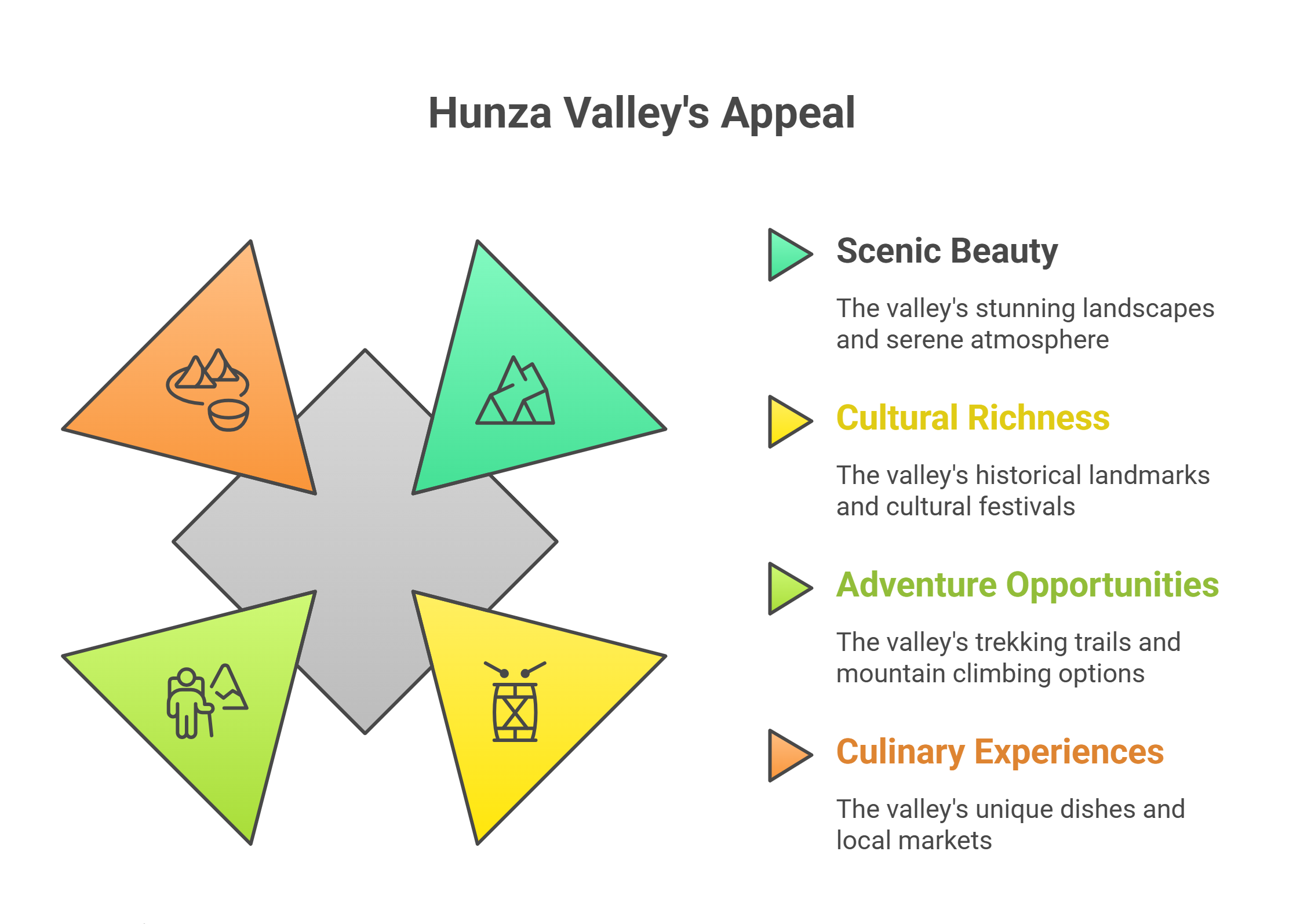
Hunza Valley is often described as a dream destination in South Asia, offering a unique blend of scenic beauty, rich culture, and adventure opportunities.
Scenic Beauty and Serenity
The valley is surrounded by towering peaks like Rakaposhi, Ultar Sar, and the Passu Cones, providing dramatic landscapes visible from popular viewpoints like Eagle’s Nest. The Hunza River, flowing alongside historic villages, and Attabad Lake with its turquoise waters, enhance the valley’s serene and tranquil atmosphere. Seasonal changes—from apricot blossoms in spring to golden foliage in autumn—add to the region’s captivating charm.
Rich Culture and History
Hunza’s historical significance stems from its time as the Hunza Kingdom, with iconic landmarks such as Baltit Fort and Altit Fort. Visitors can experience centuries-old architecture, cultural festivals, and traditional craftsmanship while exploring villages like Karimabad, Ganish, and Gulmit. The valley’s people maintain age-old customs and hospitality, providing tourists with authentic cultural interactions that reflect the high-altitude culture and heritage of Gilgit-Baltistan.
Adventure and Exploration Opportunities
Hunza Valley is a hub for adventure tourism, offering:
Trekking and hiking trails across Rakaposhi Base Camp, Hopper Glacier, and Shimshal Valley
Mountain climbing on peaks like Ladyfinger Peak and Ultar Sar
Boating and water activities on Attabad Lake
Photography and nature walks to capture stunning vistas, wildlife, and cultural scenes
The Karakoram Highway itself is a journey, connecting travelers to Hunza while offering views of remote villages, high-altitude glaciers, and scenic passes.
Hunza Valley, therefore, provides a comprehensive travel experience: combining adventure, culture, history, and natural beauty in one of the world’s most breathtaking mountain valleys.
Conclusion
Hunza Valley, located in the breathtaking region of Gilgit-Baltistan, is a destination that perfectly combines natural beauty, rich history, vibrant culture, and thrilling adventure opportunities. From the snow-capped peaks of the Passu Cones and Rakaposhi to the serene waters of Attabad Lake, every corner of this valley offers a unique and unforgettable experience.
The valley’s historical significance, reflected in iconic landmarks like Baltit Fort and Altit Fort, tells the story of the Hunza Kingdom and its strategic role along the ancient Silk Road. Visitors can immerse themselves in local culture, interact with the warm and hospitable Hunza people, and savor traditional dishes like Chapshuro and apricot-based delicacies.
For nature lovers and adventure seekers, Hunza Valley offers an array of activities, including trekking, hiking, mountain climbing, photography, and camping, all set against the dramatic backdrop of the Karakoram Highway and surrounding high-altitude landscapes. Seasonal changes bring new wonders—from vibrant cherry blossoms in spring to golden foliage in autumn—making every visit unique.
Whether you are drawn by the scenic beauty, cultural richness, or adventurous opportunities, Hunza Valley is undeniably a must-visit destination for travelers from around the world. Its combination of serenity, heritage, and exploration ensures that every visitor leaves with lasting memories and a deeper appreciation for one of the most remarkable valleys in Gilgit-Baltistan and the greater Himalayan region.
Plan your trip to Hunza today, explore its majestic mountains, historic forts, and tranquil lakes, and experience the unparalleled beauty and culture of this Himalayan gem.
Trusted Resources and References for Exploring Hunza Valley
For travelers, researchers, and enthusiasts who want to learn more about Hunza Valley, its culture, history, natural beauty, and adventure opportunities, the following high-authority resources provide detailed and reliable information:
Comprehensive travel tips, best times to visit, trekking routes, and local attractions.
Stunning photography, adventure insights, and cultural highlights of the Hunza region.
Historical significance and preservation details of Baltit Fort and its heritage.
Activities, photography spots, and local tourism guidance for Attabad Lake.
Information about trekking, mountain climbing, and outdoor adventures in Hunza.
Cultural Insights into Hunza People – UNESCO Intangible Heritage
Details about local customs, festivals, languages, and traditional Hunza lifestyle.
Travel route guide, road conditions, and sightseeing along the world-famous highway.
Biodiversity, wildlife, and ecological information for high-altitude regions including Hunza.
Image Gallery